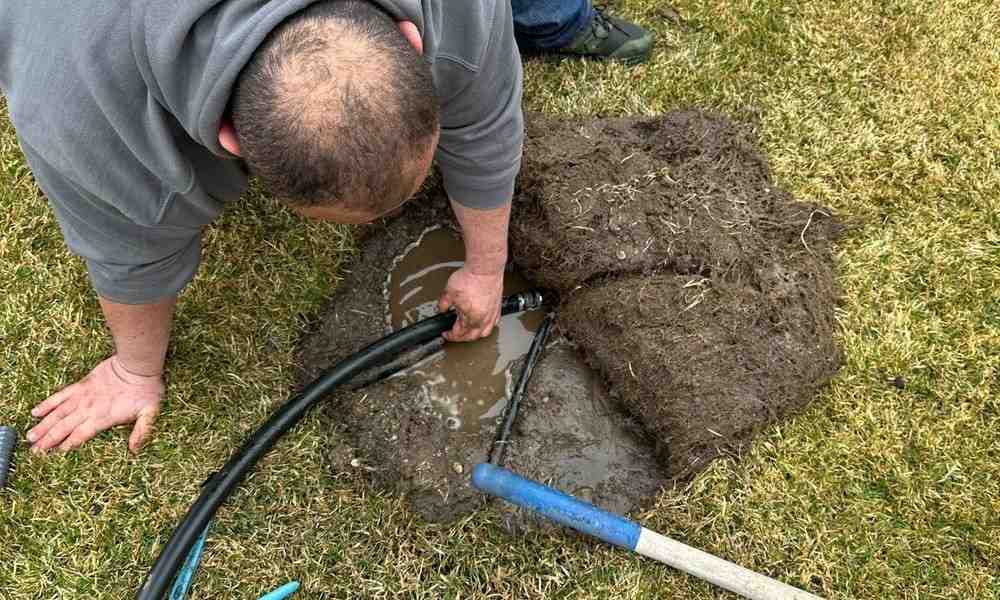

Cheap Sprinkler Blowout: Top DIY Tips for 2024 Savings
Save Money with a Cheap Sprinkler Blowout
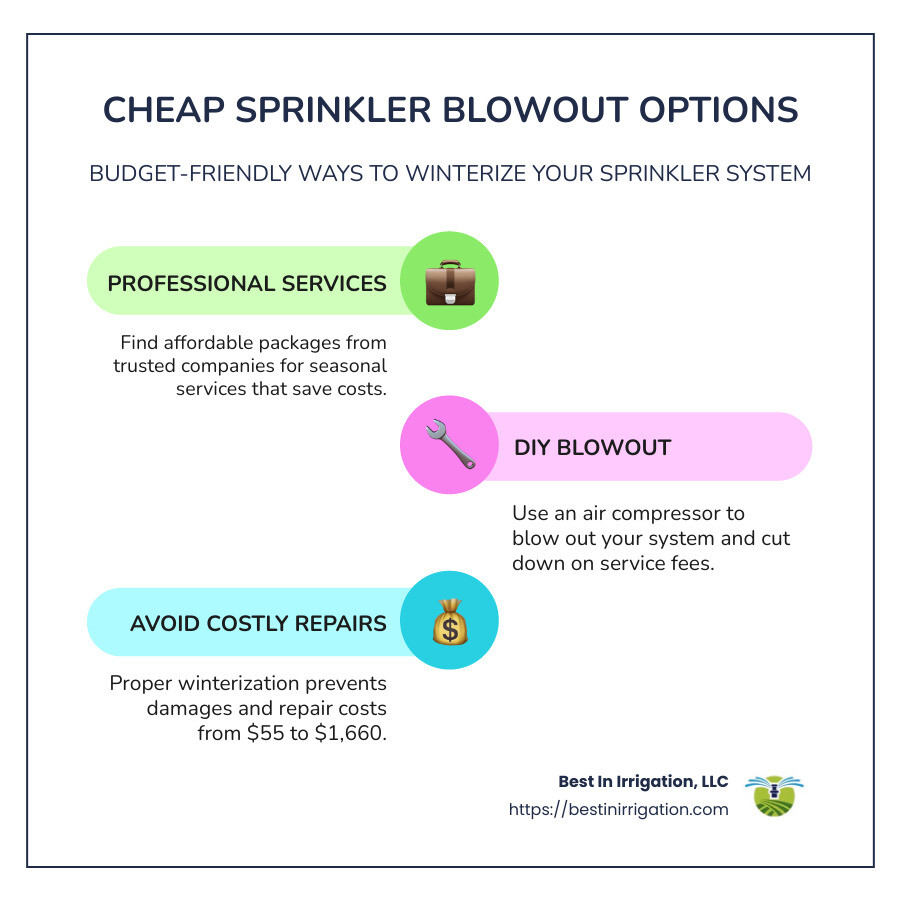
Cheap sprinkler blowout options are essential for homeowners looking to prepare their irrigation systems for winter without breaking the bank. Whether you’re a DIY enthusiast or seeking professional help, there are budget-friendly solutions available.
- Professional Services: Use affordable packages offered by companies like Best In Irrigation, LLC, which provide discounts on seasonal services.
- DIY Blowout: Consider doing a DIY blowout using an air compressor, which can significantly reduce costs.
Winterizing your sprinkler system is crucial to avoiding costly repairs caused by freezing temperatures. The process involves clearing out residual water, preventing pipe damage as the seasons change. Without proper winterization, homeowners could face repair costs ranging from $55 to $1,660, depending on the damage.
Best In Irrigation, LLC offers cost-effective and reliable sprinkler blowout services custom to Massachusetts homeowners who value efficiency and eco-friendly practices. With the right approach, you can protect your system, save money, and ensure your lawn remains lush and healthy.
Know your cheap sprinkler blowout terms:
– average cost of sprinkler blowout
– irrigation system winterization
– winterization for sprinkler system
Understanding Sprinkler Blowouts
A sprinkler blowout is an essential task for anyone with a lawn irrigation system, especially in regions prone to winter freeze. Blowing out your sprinklers is a form of winterization that prevents water left in the pipes from freezing and causing damage.
Why is it Important?
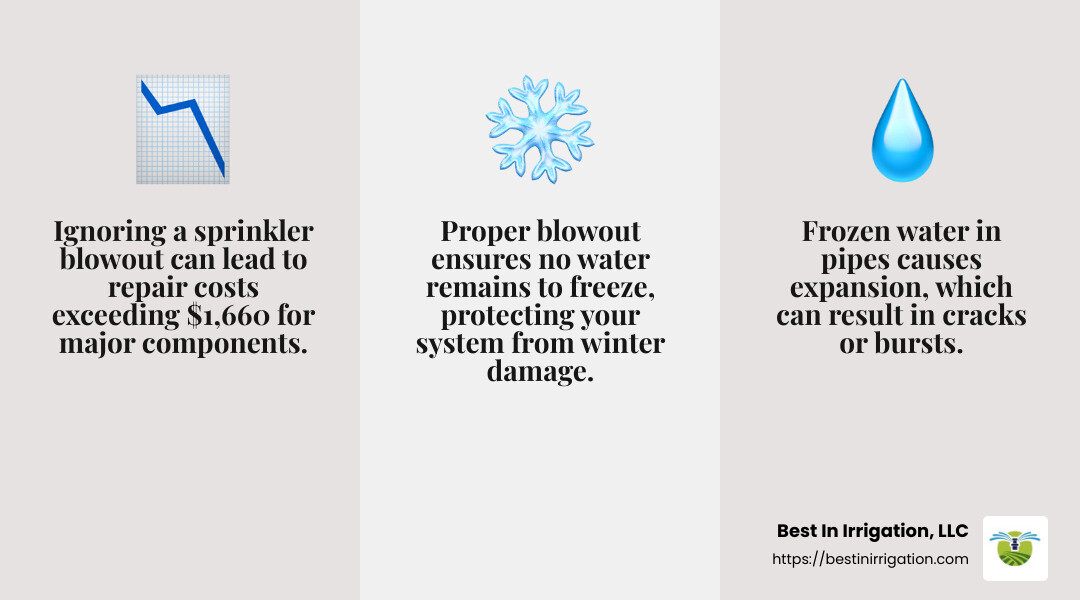
When water freezes, it expands. If water is left in your sprinkler pipes, the expansion can lead to cracks or bursts, which are costly to repair. A small leak can add hundreds of dollars to your water bill, while severe damage might require a complete system replacement, costing thousands.
How Does a Sprinkler Blowout Work?
The blowout method involves using an air compressor to push compressed air through the sprinkler system. This process removes any remaining water from the pipes, valves, and sprinkler heads, ensuring no water is left to freeze.
Key Steps in the Blowout Process:
- Shut Off the Water Supply: This is crucial to ensure no new water enters the system during the blowout.
- Connect the Air Compressor: Attach the compressor to the system’s blowout port. It’s important to use a compressor with sufficient cubic feet per minute (CFM) to effectively clear the pipes.
- Blow Out Zones: Starting with the zone furthest from the compressor, use air pressure to clear each section. It’s recommended to keep the pressure below 50 PSI to avoid damaging the pipes.
- Check for Mist: Continue until only a fine mist is visible from the sprinkler heads, indicating the water has been removed.

Air Compressor Considerations
Not all air compressors are suitable for this task. Household compressors often lack the power needed for a complete blowout. A compressor with a larger tank and higher CFM is recommended to sustain the necessary air volume and pressure.
Risks of Not Performing a Blowout
Failing to perform a proper sprinkler blowout can result in extensive damage. As temperatures drop, any water left in the system can freeze, leading to cracked pipes and damaged valves. Repairs can range from $55 for a simple sprinkler head replacement to over $1,660 for a backflow preventer.
By understanding and performing a sprinkler blowout, you can protect your irrigation system from winter damage. This proactive approach not only saves money on potential repairs but also ensures your system is ready to go when spring arrives.
Next, we’ll explore the costs associated with professional blowouts and how they compare to DIY options.
How Much Should a Sprinkler Blowout Cost?
Sprinkler blowout costs can vary, but understanding what to expect can help you make an informed decision. On average, a sprinkler blowout service costs between $50 and $150. This price range depends on several factors, including the number of zones in your system and the rates charged by contractors in your area.
Factors Affecting Cost
- Number of Zones: The more zones your sprinkler system has, the higher the cost. Each additional zone typically adds to the service fee. If you have a large system, expect to pay more.
- Contractor Rates: Rates can vary widely depending on your location. In areas with a higher cost of living, you might pay more for the same service. It’s always a good idea to get multiple quotes to ensure you’re getting a fair price.
- Air Compressor Requirements: The cost also depends on the equipment used. Professional contractors often use high-capacity air compressors that deliver 20+ CFM at 50 PSI. This ensures all water is efficiently removed from the system, preventing freeze damage.
Is DIY a Cheaper Option?
If you’re considering doing the blowout yourself, renting an air compressor can cost between $32 and $55. While this is cheaper than hiring a professional, it requires some know-how and the right equipment. A DIY blowout can be a cost-effective option if you’re comfortable with the process and have access to a suitable air compressor.
Comparing Costs
Here’s a quick comparison of costs to help you decide:
| Service Type | Typical Cost |
|---|---|
| Professional Blowout | $50 – $150 |
| DIY Blowout (Compressor Rental) | $32 – $55 |
Choosing between a professional service and DIY depends on your comfort level and budget. If you opt for a professional service, you benefit from their expertise and equipment, ensuring a thorough blowout. On the other hand, a DIY approach can save money if done correctly.
Understanding these cost factors helps you plan and budget for your sprinkler blowout, ensuring your system is winter-ready without breaking the bank.
Next, let’s explore whether you can blow out your sprinklers yourself and what you’ll need to do it effectively.
Can I Blowout My Sprinklers Myself?
Yes, you can blow out your sprinklers yourself, and it can save you quite a bit of money. Hiring a professional can cost anywhere from $50 to $150, but doing it yourself mainly involves the cost of renting or purchasing an air compressor and a few fittings.
DIY Blowout: What You Need
Air Compressor: The key piece of equipment you’ll need is an air compressor. Ideally, you should use one with a tank capacity of 4-6 gallons. This size is sufficient for most residential sprinkler systems. Make sure it can deliver at least 20 CFM at 50 PSI to effectively push water out of the pipes.
Fittings and Connections: You’ll need a few fittings to connect your air compressor to the sprinkler system. Common items include a quick-connect coupler, PVC fittings, and thread seal tape. Some DIY enthusiasts use a washer hose with one end cut off, secured with a hose clamp to attach to the compressor.
Service Fee Savings
By doing the blowout yourself, you save on the service fee charged by professionals. With compressor rentals ranging from $32 to $55, you could save up to $95 per blowout if you already have the necessary equipment or can borrow it.
Equipment Needed
Here’s a quick list of what you’ll need:
- Air Compressor: 4-6 gallon tank, 20 CFM at 50 PSI
- Quick-Connect Coupler: For easy attachment to your system
- PVC Fittings: To ensure a snug fit
- Thread Seal Tape: To prevent leaks
- Washer Hose (optional): For a DIY connection
Getting Started
Before you begin, make sure to shut off the water supply to your sprinkler system. Then, connect your air compressor to the main line using the fittings. Turn on each zone one at a time, and let the air push out the water until only a mist comes out of the sprinkler heads.
With a little patience and the right tools, a DIY blowout can be a straightforward task. It’s an affordable way to prepare your system for winter and protect it from freeze damage.
Is a 3 Gallon Air Compressor Good for Blowing Out Sprinklers?
When it comes to blowing out your sprinkler system, the size of your air compressor plays a crucial role. Many wonder if a 3-gallon air compressor is sufficient for this task. Let’s break down the essentials.
Compressor Size and Volume
A 3-gallon air compressor might seem convenient due to its compact size, but it generally doesn’t provide the necessary volume (CFM) for an effective sprinkler blowout. Most residential systems require a compressor that can deliver at least 20 CFM at 50 PSI. A 3-gallon tank typically falls short in sustaining this level of performance.
For optimal results, consider using a compressor with at least a 4-6 gallon tank. This size is more capable of maintaining the needed pressure and volume to clear water from your system efficiently.
Motor Size and System Pressurization
The motor size of your compressor also affects its ability to pressurize the system adequately. A larger motor can better handle the demands of pushing air through multiple zones in your sprinkler system. A small motor, like those found in 3-gallon compressors, may struggle to maintain consistent pressure, leading to incomplete water removal.
Why Size Matters
Using an undersized compressor can lead to several issues:
- Incomplete Blowout: Without sufficient volume and pressure, not all water will be expelled, risking freeze damage.
- Increased Wear: A small compressor will run continuously, increasing wear and tear.
- Time-Consuming: More time is needed to recharge the compressor between zones, making the process inefficient.
Recommended Compressor Specs
For a successful and cheap sprinkler blowout, aim for these specifications:
- Tank Size: 4-6 gallons
- Volume: At least 20 CFM
- Pressure: 50 PSI or less
Choosing the right compressor ensures your sprinkler system is properly winterized, saving you from costly repairs come spring.
Next, let’s dive into a step-by-step guide for a DIY sprinkler blowout.
Cheap Sprinkler Blowout: DIY Guide
Winter is coming, and it’s time to protect your sprinkler system from freezing. Doing a cheap sprinkler blowout yourself can save you money and keep your system safe. Here’s a simple guide to help you get started.
Materials Needed
Before you begin, gather these essential materials:
- Air Compressor: Make sure it delivers at least 20 CFM at 50 PSI for effective water removal.
- PVC Fittings: These help you connect the air compressor to your sprinkler system.
- Ball Valve: Controls the air flow to prevent damage.
- Quick Coupler: Allows easy connection and disconnection of the air hose.
- Thread Seal Tape: Ensures airtight connections to prevent leaks.
Step-by-Step Instructions
Now that you have your materials, follow these steps to blow out your sprinklers like a pro:
- Turn Off Water Supply
Start by shutting off the water supply to your sprinkler system. This prevents any new water from entering the pipes during the blowout. - Connect Parts
Attach the PVC fittings to the blowout port on your system. Use the thread seal tape to create tight, leak-free connections. Connect the ball valve and quick coupler to the fittings. - Charge the Compressor
Plug in your air compressor and allow it to charge to the recommended pressure level. Make sure it reaches at least 50 PSI before proceeding. - Attach the Air Compressor
Connect the air hose from the compressor to the quick coupler. Make sure the connection is secure to prevent air loss. - Open the Valves
Open the ball valve to allow air to flow into the system. Start with the zone furthest from the compressor to ensure all water is pushed out effectively. - Blow Out Zones
Turn on the air compressor and watch for a mist from the sprinkler heads. This indicates that water is being expelled. Continue until only air is coming out, then turn off the compressor. - Repeat for Each Zone
Move on to the next zone and repeat the process. Make sure all zones are clear of water to prevent freezing damage. - Finish Up
Once all zones are complete, close the ball valve and disconnect the compressor. Double-check that all water has been expelled from the system.
By following these steps, you can perform a cheap sprinkler blowout and protect your system from winter damage. Using the right tools and techniques ensures a thorough job, saving you from costly repairs in the spring.
Next, we’ll address some common questions about sprinkler blowouts.
Frequently Asked Questions about Sprinkler Blowouts
How much should a sprinkler blowout cost?
The typical cost for a sprinkler blowout ranges from $50 to $150. This price can vary based on several factors, including the number of zones in your system and contractor rates in your area. Some contractors may charge extra for systems with additional zones, so it’s wise to ask for a detailed quote.
Can I blowout my sprinklers myself?
Yes, you can perform a DIY blowout of your sprinklers, which can save you the service fee charged by professionals. All you need is the right equipment, such as an air compressor with sufficient capacity. A compressor that delivers at least 20 CFM at 50 PSI is usually adequate. By doing it yourself, you can avoid paying for labor, which can be a significant portion of the cost. However, make sure you follow the proper steps to prevent damage to your system.
What is the difference between sprinkler winterization and blowout?
Winterization and blowout are related but distinct processes. Winterization is the overall preparation of your sprinkler system for freezing temperatures. It includes tasks like shutting off the water supply and insulating exposed components. A blowout is a specific method of winterization where compressed air is used to remove all water from the pipes. This is crucial for preventing pipe damage due to water freezing and expanding inside the system. Properly removing water ensures that your sprinkler system remains intact and functional when spring arrives.
Conclusion
Saving money on your sprinkler system doesn’t have to be complicated. Whether you’re considering a DIY blowout or professional help, there are ways to keep costs low while ensuring your system is protected from winter damage.
DIY Benefits: Doing a sprinkler blowout yourself can save you significant money, especially if you already own an air compressor. By following a simple step-by-step guide, you can avoid service fees and learn more about your system. Just ensure you have the right materials and understand the process to prevent any mishaps.
Professional Services: If DIY isn’t your style, hiring professionals like us at Best In Irrigation, LLC can be a wise investment. Our expert team provides custom solutions that ensure your system is winter-ready. We use cutting-edge technology and have a deep understanding of water conservation, helping prolong the life of your system and save on future repairs.
Cost-Saving Tips: Opt for a service contract that includes multiple services like winterization and spring activation. This can often be more economical than paying for each service separately. Also, schedule your blowout in the fall when many companies offer discounts.
Water Conservation: By properly winterizing your system, you’re not just saving on repair costs but also conserving water. A well-maintained system uses water efficiently, which is good for the environment and your wallet.
In conclusion, whether you choose to go the DIY route or hire professionals, being proactive about sprinkler blowouts can save you money and headaches in the long run. At Best In Irrigation, LLC, we are always ready to help you with our professional services, ensuring your lawn stays healthy and green year-round.