


The Best Irrigation System: Cultivating a Green Oasis
When it comes to maintaining a lush and healthy garden, finding the Best Irrigation System is key. Here’s a quick answer for those seeking immediate guidance:
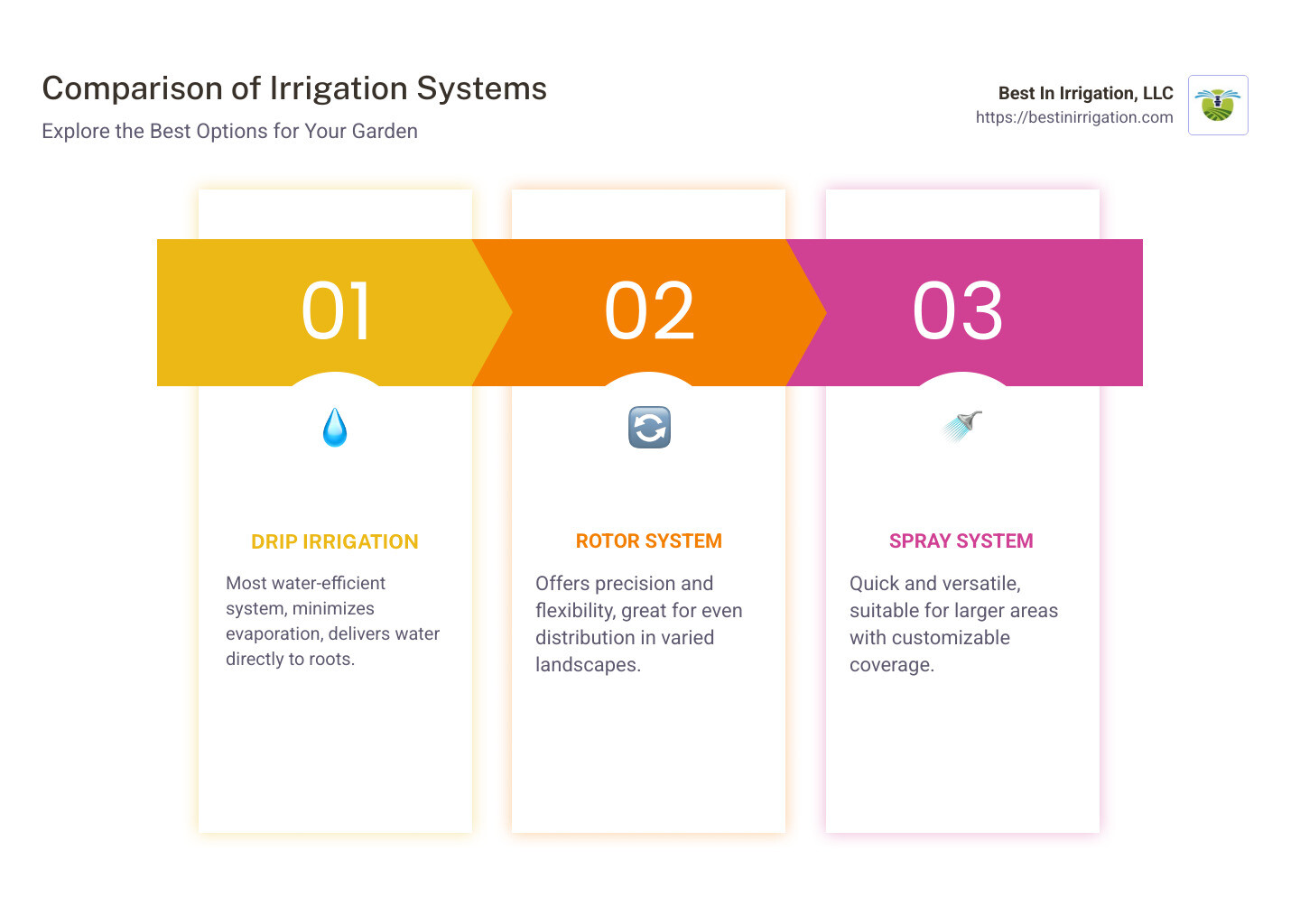
- Drip Irrigation System: Most water-efficient; perfect for roots and less evaporation.
- Rotor System: Offers precision and flexibility in water distribution.
- Traditional Automatic Spray System: Quick and versatile for larger areas.
Gardens are an integral part of our homes and a reflection of our personal style. Yet, the challenge often lies in watering them effectively without escalating water bills or harming the environment. The Best Irrigation System not only addresses these concerns but transforms your lawn into a sustainable green haven.
At Best In Irrigation, LLC, we champion smart irrigation solutions to cater to the specific needs of gardens in Massachusetts. Each garden is unique, and so are the systems we recommend. Our focus is on solutions that conserve water, reduce costs, and, importantly, nurture thriving landscapes.
For homeowners frustrated with inefficient watering methods, we offer options like drip irrigation, which delivers water directly to plant roots, minimizing waste. Not only does this method improve plant health, but it significantly cuts down on water usage.
Stay with us as we dig deeper into what makes these systems superior and how they contribute to vibrant, environmentally friendly gardens.
Understanding Irrigation Systems
When it comes to watering your garden, understanding the different types of irrigation systems can make a big difference. Let’s break down the three main types: drip irrigation, spray systems, and rotor systems.
Drip Irrigation
Drip irrigation is a water-saving marvel. It delivers water directly to the base of each plant through a network of tubing and emitters. This method ensures that water goes straight to the roots, reducing evaporation and runoff. It’s about 90% efficient in water usage, making it ideal for gardens with mixed plantings, including vegetable beds and perennial borders.
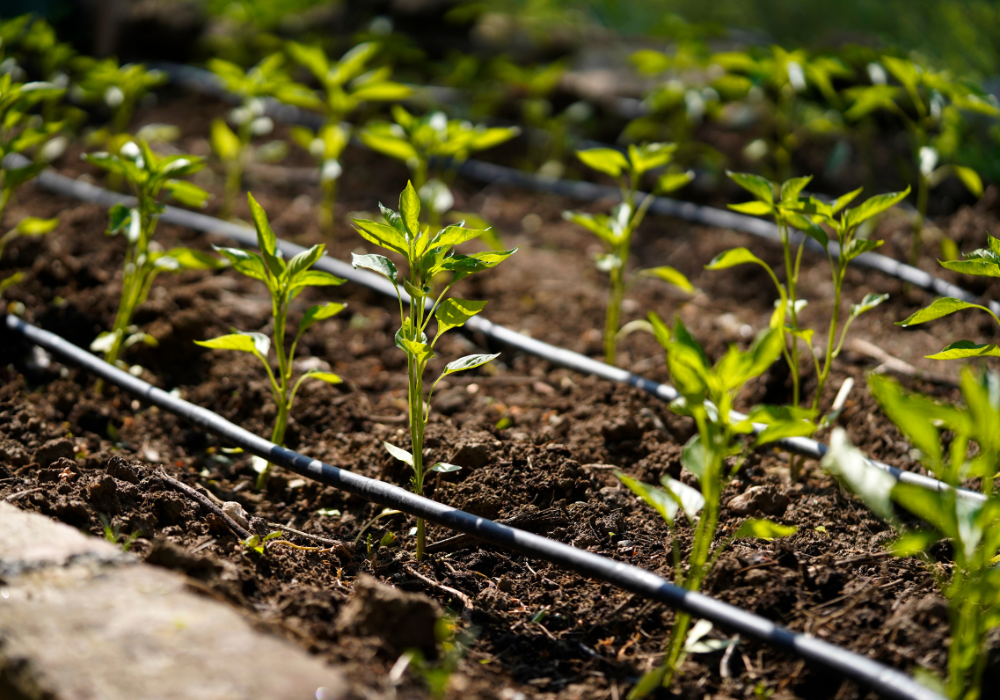
Benefits of Drip Irrigation:
– Water Efficiency: Uses a fraction of the water compared to other systems.
– Root Zone Watering: Directly targets the plant roots.
– Customization: Can be custom to meet each plant’s needs.
Maintenance Tips:
– Regularly check emitters for clogs.
– Use a pressure regulator to maintain consistent water pressure.
– Plan your layout carefully to ensure each plant gets adequate water.
Spray Systems
Spray systems are quick and effective, perfect for covering large areas like lawns. They use sprinkler heads that pop up and spray water evenly across a designated area. These systems are easy to install and manage, thanks to automated scheduling with timers or controllers.

Benefits of Spray Systems:
– Coverage Area: Ideal for large, open spaces.
– Customization: Various spray patterns to suit different needs.
– Ease of Use: Automated scheduling for hassle-free watering.
Considerations:
– Ensure heads are spaced for “head-to-head” coverage.
– Adjust spray patterns to avoid watering pavements or buildings.
– Regularly inspect for leaks and proper alignment.
Rotor Systems
Rotor systems offer precision and flexibility in water distribution. They apply water at a slower rate, allowing the soil to absorb moisture more efficiently. This makes them generally more efficient than traditional spray heads.
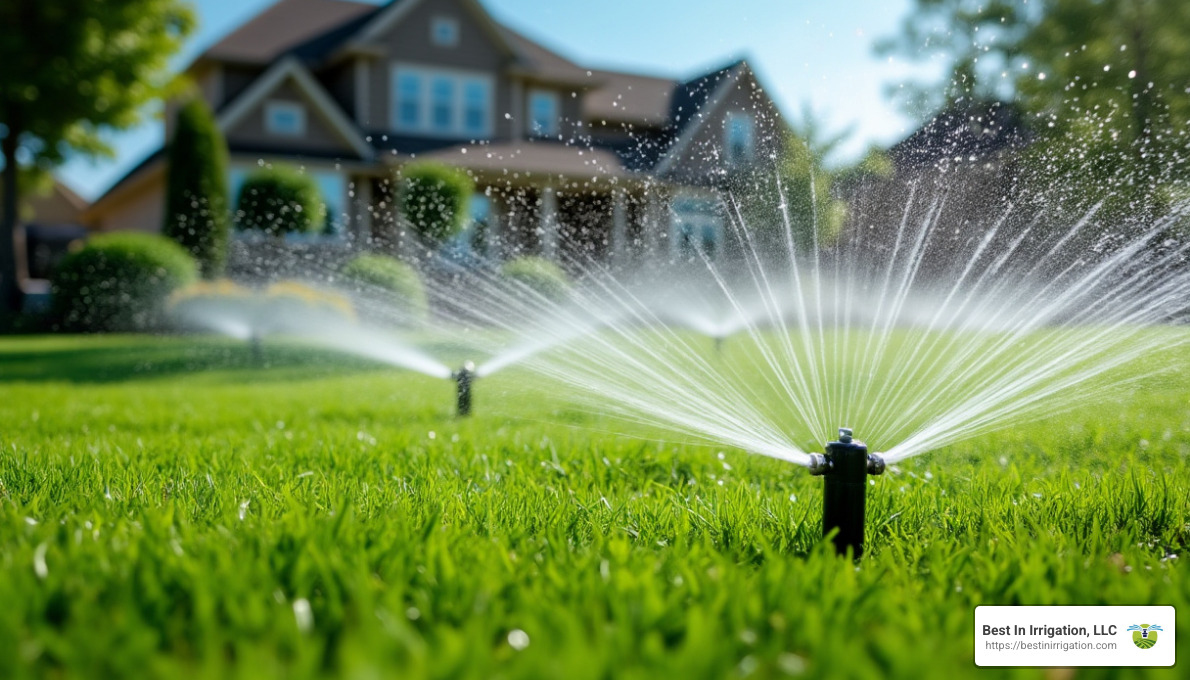
Benefits of Rotor Systems:
– Even Distribution: Ensures consistent watering across all areas.
– Flexibility: Adjustable patterns and radius for odd-shaped areas.
– Water Efficiency: Slower application rate reduces runoff.
Water Pressure Needs:
– Use pressure regulators if necessary, as some equipment functions better at lower pressure.
– Ensure all heads are of the same type and by the same manufacturer for uniform distribution.
Understanding these systems helps you choose the Best Irrigation System for your garden, ensuring efficient water use and healthy plant growth. Next, we’ll explore the marvel of drip irrigation and how it can transform your garden into a water-efficient haven.
Best Irrigation System for Your Garden
Choosing the Best Irrigation System for your garden is crucial for both plant health and water conservation. Let’s explore the key factors: efficiency, water savings, and soil types.
Efficiency
When it comes to efficiency, drip irrigation systems are hard to beat. They deliver water directly to the plant roots, minimizing evaporation and runoff. This method is about 90% efficient, making it a top choice for water-conscious gardeners.
Rotor systems also offer excellent efficiency. By applying water at a slower rate, they allow soil to absorb moisture more effectively, reducing waste. These systems are perfect for gardens with varied shapes and sizes due to their adjustable patterns.
Water Savings
If water savings are your priority, drip irrigation is your best bet. It uses a fraction of the water that traditional spray systems do. A well-planned drip system ensures that every drop counts, directly benefiting your plants without unnecessary waste.
Additionally, soaker hoses can be a great supplemental solution. They slowly release water directly into the soil, further minimizing water loss. Combine them with mulch to reduce evaporation and keep the soil moist longer.
Soil Types
The type of soil in your garden can significantly influence your irrigation choice. For clay soils, where water absorption is slow, drip irrigation is ideal. It delivers water gradually, preventing runoff and ensuring deep penetration.
In contrast, sandy soils, which drain quickly, may benefit from a combination of drip and rotor systems. The slower application rate of rotors helps retain moisture, while drip systems provide targeted watering.
By considering these factors, you can select the Best Irrigation System custom to your garden’s specific needs. Up next, we’ll dig into the wonders of drip irrigation and how it can help your garden thrive.
Drip Irrigation: A Water-Saving Marvel
Drip irrigation is a game-changer for efficient water use in gardens. By delivering water directly to the plant’s root zone, it minimizes evaporation and runoff. This method is about 90% efficient in water usage, making it a top choice for anyone looking to conserve water and save on their water bill.
Water Efficiency
Drip irrigation systems are designed to deliver water slowly and steadily. This precision ensures that every drop reaches the plant roots, where it’s needed most. Unlike traditional spray systems that can waste water through misting and overspray, drip irrigation focuses on direct root zone delivery. This not only saves water but also promotes healthier plant growth.
Root Zone Delivery
The secret to drip irrigation’s success lies in its targeted approach. Water is delivered directly to the root zone of each plant through a network of tubing and emitters. This means plants receive consistent moisture, leading to stronger roots and better resistance to pests and diseases. By keeping the soil consistently moist, drip systems help plants thrive even in challenging conditions.
Maintenance Tips
While drip irrigation systems are highly efficient, they do require some maintenance to keep them running smoothly:
- Check Emitters Regularly: Emitters can get clogged with dirt or mineral deposits. Regularly inspect and clean them to ensure proper water flow.
- Use Filters: Installing filters can prevent particles from clogging the system. This simple step can extend the life of your drip irrigation setup.
- Monitor for Leaks: Inspect tubing for leaks or damage, especially if rodents are a concern. Repair any issues promptly to avoid water waste.
- Adjust as Needed: As plants grow, their water needs may change. Be prepared to adjust emitter placement or flow rates to accommodate growth and seasonal changes.
Drip irrigation is a marvel of modern gardening, offering water savings and healthier plants. Up next, we’ll explore spray systems and their benefits for quick and effective garden watering.
Spray Systems: Quick and Effective
Spray systems are a popular choice for gardeners seeking quick and effective watering solutions. These systems are known for their ability to cover large areas efficiently, making them ideal for expansive lawns and gardens.
Coverage
One of the primary advantages of spray systems is their excellent coverage. They can water large areas with ease, thanks to adjustable spray patterns. Whether you need a full circle, half-circle, or quarter-circle spray, these systems can be customized to suit your garden’s specific layout. This flexibility ensures that every part of your garden receives the water it needs, reducing dry spots and promoting uniform plant growth.
Customization
Spray systems offer a high level of customization. You can adjust the spray heads to control the water flow and spray pattern, ensuring that your garden gets just the right amount of water. This customization is particularly beneficial for gardens with diverse plant types and varying water needs. Additionally, many modern spray systems come with smart controls, allowing you to automate watering schedules and make adjustments remotely.
Terrain Considerations
When choosing a spray system, consider the terrain of your garden. Spray systems are well-suited for flat or gently sloping areas. However, if your garden has steep slopes or irregular terrain, you may need to adjust the system layout or opt for a combination of irrigation methods to ensure even water distribution. That spray systems can sometimes lead to runoff on slopes, so monitor and adjust the water pressure as needed.
Spray systems are a versatile and effective option for gardeners looking to cover large areas quickly. They offer excellent coverage, customization, and adaptability to various terrains, making them a valuable addition to any garden irrigation setup. Next, we’ll dive into rotor systems and explore how they provide precision and flexibility in watering.
Rotor Systems: Precision and Flexibility
Rotor systems are a standout choice for gardeners who need precision and flexibility in their watering approach. These systems are particularly effective in delivering water evenly across a variety of landscapes, including odd-shaped areas and slopes.
Even Distribution
Rotor systems are renowned for their ability to distribute water evenly. Unlike spray systems that can leave patches dry, rotors use a rotating stream of water to cover every inch of your garden. This ensures that each plant receives the moisture it needs, promoting healthy growth and reducing water wastage. For gardens with mixed plant types, this even distribution is crucial.
Odd-Shaped Areas
If your garden has unique contours or irregular shapes, rotor systems can be your best friend. Their design allows them to adjust to different angles and shapes, ensuring coverage even in the trickiest spots. This adaptability makes rotors ideal for gardens with winding paths, curved borders, or any non-standard layout.
Water Pressure Needs
However, rotor systems do have specific water pressure needs. They require higher water pressure compared to spray systems to function effectively. If your current water supply is on the lower side, you might need to consider a pressure regulator to optimize performance. Without adequate pressure, the rotors may not rotate properly, leading to uneven watering.
Rotor systems offer a blend of precision and flexibility that is hard to match. They are perfect for gardens with complex layouts, ensuring each plant gets the water it needs. Just keep an eye on your water pressure to make the most of this efficient solution.
Next, we’ll explore supplemental solutions that can improve your garden’s watering efficiency even further.
Supplemental Solutions for Optimal Watering
While automated systems are great, sometimes you might need a little extra help to keep your garden thriving. Let’s explore some supplemental solutions that can optimize your watering strategy.
Soaker Hoses
Soaker hoses are a simple yet effective way to deliver water directly to the soil. These hoses have tiny pores along their length, allowing water to seep out slowly and evenly. This method is perfect for garden beds, rows of plants, or along hedges.
Benefits of Soaker Hoses:
- Targeted Watering: They provide moisture directly to the roots, reducing evaporation and ensuring that plants get the water they need.
- Easy Installation: Just lay them on the surface or bury them under mulch for a discreet setup.
However, keep in mind that soaker hoses may not cover large areas as uniformly as in-ground systems. They can also be prone to clogging, so regular checks are essential.
Manual Watering
Sometimes, the old-fashioned way is still the best. Manual watering allows you to give special attention to plants that need a little extra care, like newly planted shrubs or delicate seedlings.
Why Choose Manual Watering?
- Control: You can decide exactly how much water each plant receives.
- Flexibility: It’s perfect for spot-watering and can be easily adjusted based on weather conditions or plant needs.
Manual watering can be time-consuming, but it offers a level of control that automated systems can’t match.
Soil Moisture Sensors
If you’re looking for a tech-savvy solution, soil moisture sensors might be your answer. These devices measure the moisture level in your soil and help you decide when to water.
Advantages of Soil Moisture Sensors:
- Water Conservation: They prevent overwatering by alerting you when the soil is already moist.
- Precision: Place them in strategic locations to get accurate readings for different parts of your garden.
By using soil moisture sensors, you can ensure your plants get the right amount of water, promoting healthier growth and preventing water waste.
These supplemental solutions can work alongside your primary irrigation system to improve your garden’s watering efficiency. Each option offers unique benefits, so consider your garden’s specific needs when choosing the right solution.
Next, we’ll tackle some frequently asked questions about irrigation systems to help you make informed decisions.
Frequently Asked Questions about Irrigation Systems
What is the most effective irrigation system?
When it comes to even distribution of water, rotor systems often stand out. These systems apply water slowly, making them ideal for areas with non-absorbent soils or slopes. They deliver water in a manner that allows the soil to absorb it efficiently, reducing runoff and evaporation.
Pros of Rotor Systems:
- Precision: They can be adjusted to cover specific patterns and distances, making them perfect for uniquely shaped areas.
- Efficiency: They work well in a variety of terrains, ensuring that every part of your garden gets just the right amount of water.
However, if you have low water pressure, a rotor system might not perform optimally, as they require a certain level of pressure to function effectively.
What is the best irrigation system to install?
The choice of the best irrigation system depends largely on your garden’s specific needs. For large, open spaces like lawns, impact sprinklers and rotary sprinklers are often recommended. They are known for their wide coverage and ability to distribute water evenly over large areas.
Why Choose Impact or Rotary Sprinklers?
- Coverage Area: They can cover large spaces efficiently.
- Versatility: They offer various spray patterns, making them adaptable to different garden layouts.
These systems are particularly useful in states where water usage regulations are strict, as they can be adjusted to minimize waste and comply with local guidelines.
What type of sprinkler system is the best?
When considering sprinkler irrigation, the best type often boils down to your garden’s layout and water needs. Impact and rotary sprinklers are popular for their durability and efficiency. They are especially suitable for lawns and large garden areas where even water distribution is crucial.
Benefits of Sprinkler Irrigation:
- State Usage Compliance: Many systems come with smart controls that allow for precise scheduling and monitoring, helping you adhere to any state water usage regulations.
- Customization: With options for various spray patterns and coverage areas, you can tailor the system to fit your garden perfectly.
Choosing the right sprinkler system involves considering factors like garden size, local climate, and water pressure. Each system has its strengths, so match the system to your garden’s specific requirements.
Next, we’ll conclude by exploring how Best In Irrigation, LLC can provide custom solutions custom to your unique landscape needs.
Conclusion
At Best In Irrigation, LLC, we understand that every landscape is unique and deserves a custom approach. Our commitment to providing custom solutions ensures that your garden receives the most efficient and effective irrigation system possible. With our expertise in the New England region, we are well-equipped to address the specific challenges and opportunities presented by the local climate and soil types.
Our focus on water conservation and cutting-edge technology sets us apart. Whether it’s implementing a drip irrigation system for water efficiency or utilizing rotor systems for precision and flexibility, we provide solutions that not only improve the beauty of your garden but also promote sustainable practices.
Why Choose Best In Irrigation, LLC?
- Custom Solutions: We tailor each irrigation system to meet the specific needs of your landscape, ensuring optimal performance and water savings.
- New England Expertise: With nine years of experience in the region, we have a deep understanding of the local environment and how to best support it.
- Commitment to Quality: Our team of experts ensures that every installation is carried out with the highest standards, providing you with a reliable and long-lasting system.
Let us help you transform your outdoor space with the best irrigation system for your garden. Contact us today to learn more about how we can assist you in achieving a beautiful, healthy landscape. Your garden deserves the best, and with Best In Irrigation, LLC, you can trust it’s in good hands.
