


Why Smart Watering Makes Your Garden Thrive
The best diy garden irrigation system turns nightly hand-watering into an automated, water-saving routine that keeps plants healthier with far less effort.
Top DIY Garden Irrigation Systems
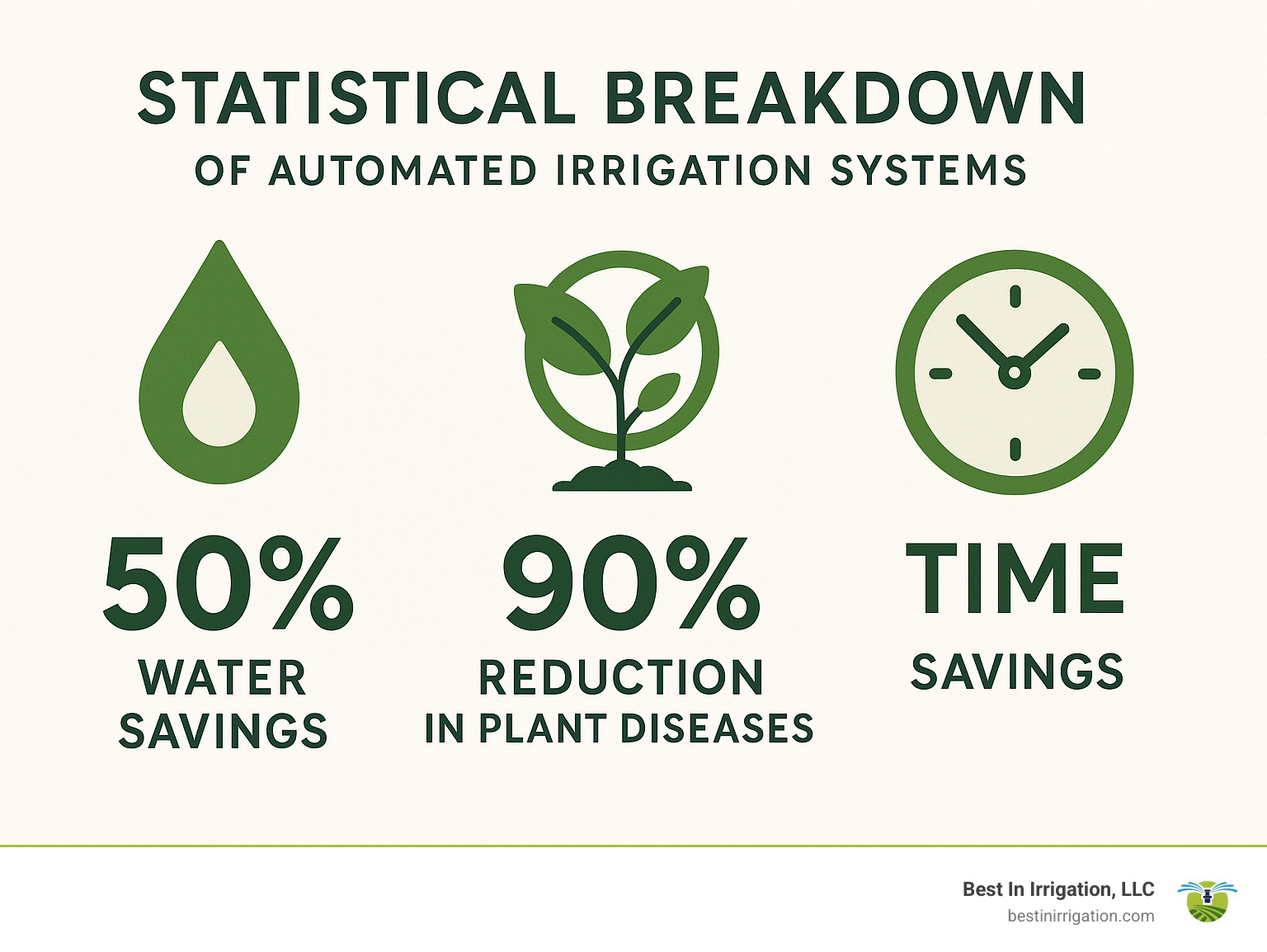
1. Drip irrigation with timers – Most water-efficient, can cut usage by up to 50%
2. Soaker hose systems – Quick to install, provide even moisture along rows
3. PVC sprinkler networks – Ideal for wider beds or new lawn areas
4. Gravity-fed bucket systems – Great for off-grid or rain-barrel setups
5. Bottle and container drippers – Ultra-budget option using recycled bottles
Drip and soaker systems deliver water right to the root zone, preventing wet foliage diseases and trimming your water bill. Most kitchen-garden crops thrive on about 1 inch of water per week, and automated timers deliver it consistently without daily supervision.
Getting started is easier than you might think. Many basic kits install in under an hour; even custom layouts often finish in a single afternoon. Match your layout to garden size, plant type, and local water pressure for best results.
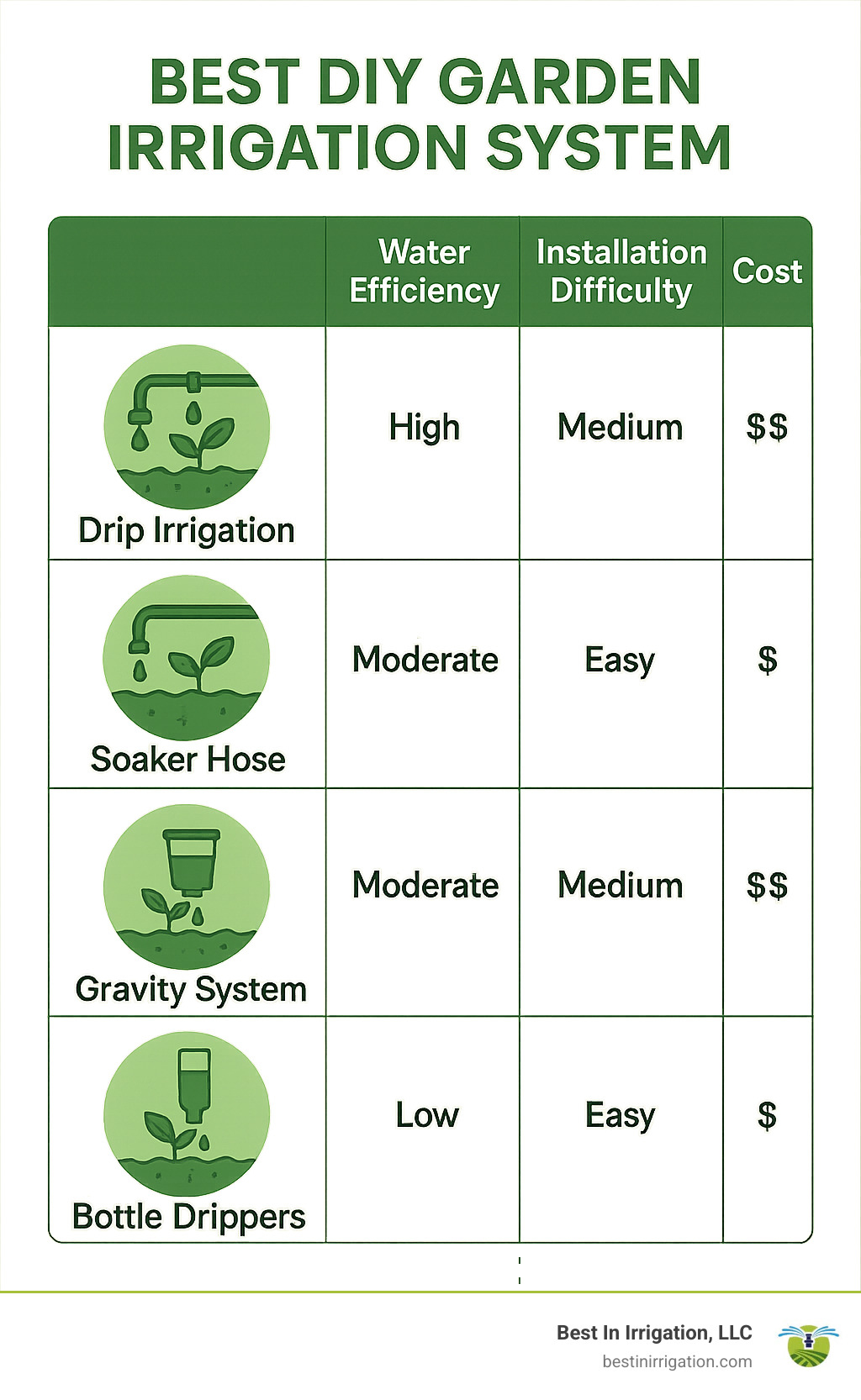
Easy best diy garden irrigation system glossary:
– Best Lawn Sprinkler Systems
– best automatic sprinkler controller
– best lawn sprinkler system company
Planning & Choosing Your DIY Garden Irrigation
Picture this: you’re standing in your garden on a hot July morning, hose in hand, wondering if there’s a better way to keep your plants happy without the daily watering routine. The good news? With some smart planning, you can create the best diy garden irrigation system that practically runs itself.
Start with a simple garden map. Grab a tape measure and sketch your beds on paper – nothing fancy needed. Walk from your outdoor spigot to each planting area, noting the distances. This isn’t just busy work; water pressure drops over long runs, and you’ll need to account for this when choosing your system.
Pay attention to your garden’s slopes and microclimates. Water naturally flows downhill, so plants at the bottom of a slope might get more water than those at the top. Also notice which areas dry out first – these spots often need extra attention in your irrigation plan.
Your soil tells an important story about watering needs. Sandy soils are like coffee filters – water runs right through them, so you’ll need more frequent watering sessions. Clay soils are the opposite – they hold water well but can become waterlogged if you apply water too quickly. Do the finger test: stick your finger 2-3 inches into different areas of your garden. If it feels dry at that depth, your plants are thirsty.
Here’s a simple water pressure test that takes just five minutes. Turn on your outdoor spigot full blast and time how long it takes to fill a 5-gallon bucket. If it takes 2 minutes, you’re getting about 150 gallons per hour – plenty for most home irrigation systems. Most drip systems work best with 15-25 PSI, while soaker hoses prefer gentler 10-15 PSI pressure.
Now comes the fun part: choosing your irrigation method. Drip irrigation systems are the overachievers – they can cut your water use by half while keeping plants healthier. They’re perfect if you have vegetable gardens or containers where precision matters. Soaker hoses are the reliable workhorses – easy to install and great for flower beds where you want even moisture along plant rows. PVC sprinkler systems work best for larger areas like new lawns, though they use more water. Gravity-fed systems are brilliant for remote garden spots or if you want to use collected rainwater.
| Method | Water Efficiency | Setup Difficulty | Best For | Typical Cost Range |
|---|---|---|---|---|
| Drip Irrigation | Highest (50% water savings) | Medium | Vegetable gardens, containers | Moderate |
| Soaker Hoses | High | Easy | Flower beds, shrub borders | Budget-friendly |
| PVC Sprinklers | Medium | Hard | Large areas, new lawns | Higher initial cost |
| Gravity Systems | High | Easy | Remote areas, rain barrels | Very budget-friendly |
Water conservation should be your north star when making this choice. Drip systems and soaker hoses deliver water right where plants need it – at soil level – instead of spraying it into the air where it can evaporate. This also keeps plant leaves dry, which helps prevent those frustrating fungal diseases that plague many gardens.
Before you start shopping, check your local codes for backflow prevention requirements. This isn’t red tape – it’s genuinely important safety equipment that prevents garden water from flowing back into your home’s drinking water supply. Most areas require a simple backflow preventer device, and scientific research on soaker hose safety confirms this is essential for any garden irrigation system.
Sizing Your System for Beds & Containers
Getting the sizing right means the difference between thriving plants and frustrating dry spots. The magic number is one inch of water per week – that’s what most vegetables and flowers need to stay happy, including whatever rain nature provides.
Here’s how to translate that into real numbers. A typical 4×8 raised bed covers 32 square feet and needs about 20 gallons per week to get that inch of water. Instead of dumping it all at once, spread this over 2-3 watering sessions to encourage deep, strong roots.
Emitter spacing depends on your soil’s personality. In sandy soil that drains quickly, place drippers every 12 inches since water moves straight down. In clay soil that spreads water sideways, you can space them 18-24 inches apart. For vegetable rows, run your drip lines right along the plants with emitters every 6-12 inches.
Container gardens play by different rules. Large pots over 12 inches wide benefit from 2-4 emitters to ensure water reaches the entire root zone. Small containers are trickier – they dry out fast even with drip systems, so don’t be surprised if they need daily attention during hot spells.
Install a simple rain gauge near your garden and check it regularly. You’ll be amazed how often Mother Nature has already done some of your watering work. Many gardeners accidentally over-water because they forget about recent rainfall.
Materials & Tools Checklist
Nothing’s more frustrating than getting halfway through your installation and realizing you’re missing a crucial part. Here’s everything you’ll need to build your system without those annoying mid-project hardware store runs.
Your essential shopping list starts with poly tubing – get 1/2-inch for main lines and 1/4-inch for individual plant feeds. A pressure regulator is non-negotiable since household water pressure is usually too high for irrigation systems. Add a filter to prevent clogging from sediment that naturally occurs in most water supplies.
For the watering components, choose between drip emitters (1 GPH works well for most plants) or soaker hose depending on your system choice. You’ll need various connectors – T-joints for splitting lines, elbows for corners, and straight connectors for repairs. Don’t forget end caps and clamps to seal everything up.
Tool-wise, keep it simple. A tape measure, scissors or tubing cutter, hole punch tool for installing emitters, and landscape fabric pins to secure everything in place. If you’re building a PVC system, add a drill with bits and an adjustable wrench to your list.
Here’s a pro tip: buy tubing in longer lengths than your measurements suggest. It’s much easier to cut off excess than to splice together short pieces that leave you just a few feet short of your goal.
Building the Best DIY Garden Irrigation System
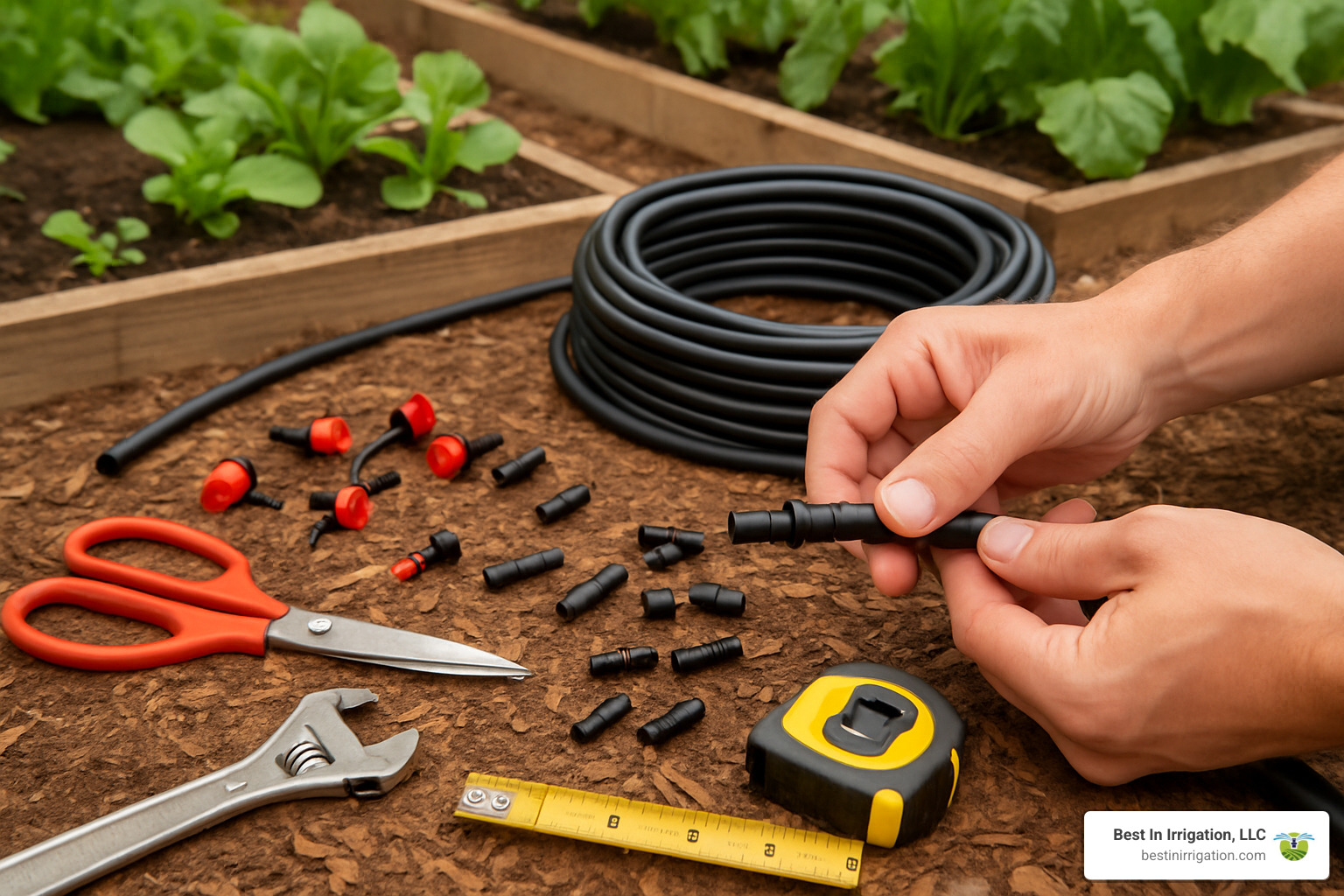
Rolling up your sleeves to build your best diy garden irrigation system is where the magic happens. After years of helping homeowners across Massachusetts, we’ve found that starting with a hands-on drip system approach gives you the perfect blend of water efficiency and DIY satisfaction.
Your spigot assembly sets the tone for everything that follows. Think of it as the command center for your entire system. Start by threading on a hose splitter – this simple addition means you won’t lose access to your regular garden hose for washing cars or filling watering cans. Next comes your timer, followed by a filter that catches sediment before it can clog your emitters.
The pressure regulator comes next in line, and here’s where many DIY enthusiasts make their first mistake. Your home’s water pressure might be 60 PSI or higher, but your irrigation system works best at a gentle 15-25 PSI. Skip this component and you’ll end up with geysers instead of gentle drips.
Mainline routing requires some strategic thinking. Run your ½-inch poly tubing from the spigot assembly toward the heart of your garden, then branch out like tree limbs to reach individual beds. Burying the main line 3-4 inches deep protects it from foot traffic and lawn mowers, though running it along fence lines works just as well if digging isn’t your thing.
Here’s where mulch becomes your secret weapon. Once your system is in place, spread 2-3 inches of organic mulch around all your drip lines. This protective blanket keeps the soil moist longer, blocks weeds from competing with your plants, and shields your tubing from harsh UV rays that can make plastic brittle over time.
Shut-off valves at each garden bed give you the control every gardener craves. Your tomatoes might be thirsty daily during peak summer, while your lavender prefers to dry out between waterings. Ball valves cost just a few dollars each but let you customize watering for different plant families.
Sustainability doesn’t have to be complicated. Look for opportunities to repurpose materials you already have – old garden hoses can become mainlines, and even damaged soaker hoses can be cut into shorter sections for small beds. Quality LLDPE tubing used in professional systems often lasts a decade or more when properly installed, making it a smart long-term investment.
For homeowners wanting to explore upcycled options, consider incorporating rain barrel connections or gravity-fed systems that work even during power outages. These sustainable touches reduce your environmental footprint while keeping your garden thriving.
You’ll find more detailed information about professional-grade systems at Drip Irrigation Systems, where efficiency meets innovation.
Step-by-Step Assembly of the Best DIY Garden Irrigation System
Cutting tubing properly makes the difference between a professional-looking system and a leaky mess. Measure your distances carefully, then add a few extra inches for adjustments – you can always trim excess, but splicing short pieces creates weak points. Sharp scissors or a dedicated tubing cutter gives you clean cuts that seal properly with fittings.
Installing emitters systematically prevents the frustration of missed spots or over-watered areas. Use your hole punch tool to create perfectly sized openings – resist the temptation to poke holes with nails or screwdrivers, as ragged holes almost always leak. Insert 1 GPH drip emitters every 12 inches along vegetable rows, spacing them wider for flowers that prefer less frequent watering.
Testing pressure before final installation saves hours of troubleshooting later. Connect your system and turn the water on slowly, watching each emitter come to life. They should all drip at roughly the same rate – if some are gushing while others barely drip, you likely have a pressure issue or clogged emitter that needs immediate attention.
Capping ends securely prevents the disappointment of finding your water pressure has dropped to nothing because of an overlooked open line. Use proper end caps or fold the tubing back on itself and secure with a stainless steel clamp. This simple step prevents 90% of system failures in DIY installations.
Leak checking requires patience but pays dividends in water savings and plant health. Walk your entire system while it’s running, looking for unexpected sprays or soggy spots that indicate underground leaks. Your plants will thank you for taking time to get this right from the start.
Budget-Friendly & Upcycled Add-Ons
Bottle drippers transform recycling into garden gold. Cut the bottom off 2-liter soda bottles, puncture 3-4 tiny holes near the threaded cap, and bury them cap-down next to thirsty plants like tomatoes or peppers. Fill from the top opening and watch water slowly release over several days – it’s like having a personal water attendant for each plant.
Bucket gravity systems work beautifully for remote garden corners where running mainlines isn’t practical. Drill a small hole in a 5-gallon bucket, attach your tubing, and lift the bucket 2-3 feet above your plants using a sturdy platform or tree branch. Gravity provides steady, gentle pressure perfect for soaker hoses or drip lines without any electricity required.
Milk jug ollas bring ancient irrigation wisdom to modern gardens. Heat a nail over a candle flame and punch 3-4 holes in the base of clean plastic milk jugs. Bury them near plants with just the handle visible above ground, then fill weekly. This time-tested technique works especially well for deep-rooted crops like tomatoes and squash.
Wicking systems excel for container gardens and vacation watering. Run cotton string or clean shoelaces from a water reservoir into your potting soil, and capillary action draws water up as plants need it. This self-regulating approach means your containers stay perfectly moist even when you’re away for a long weekend.
Automating, Maintaining & Troubleshooting
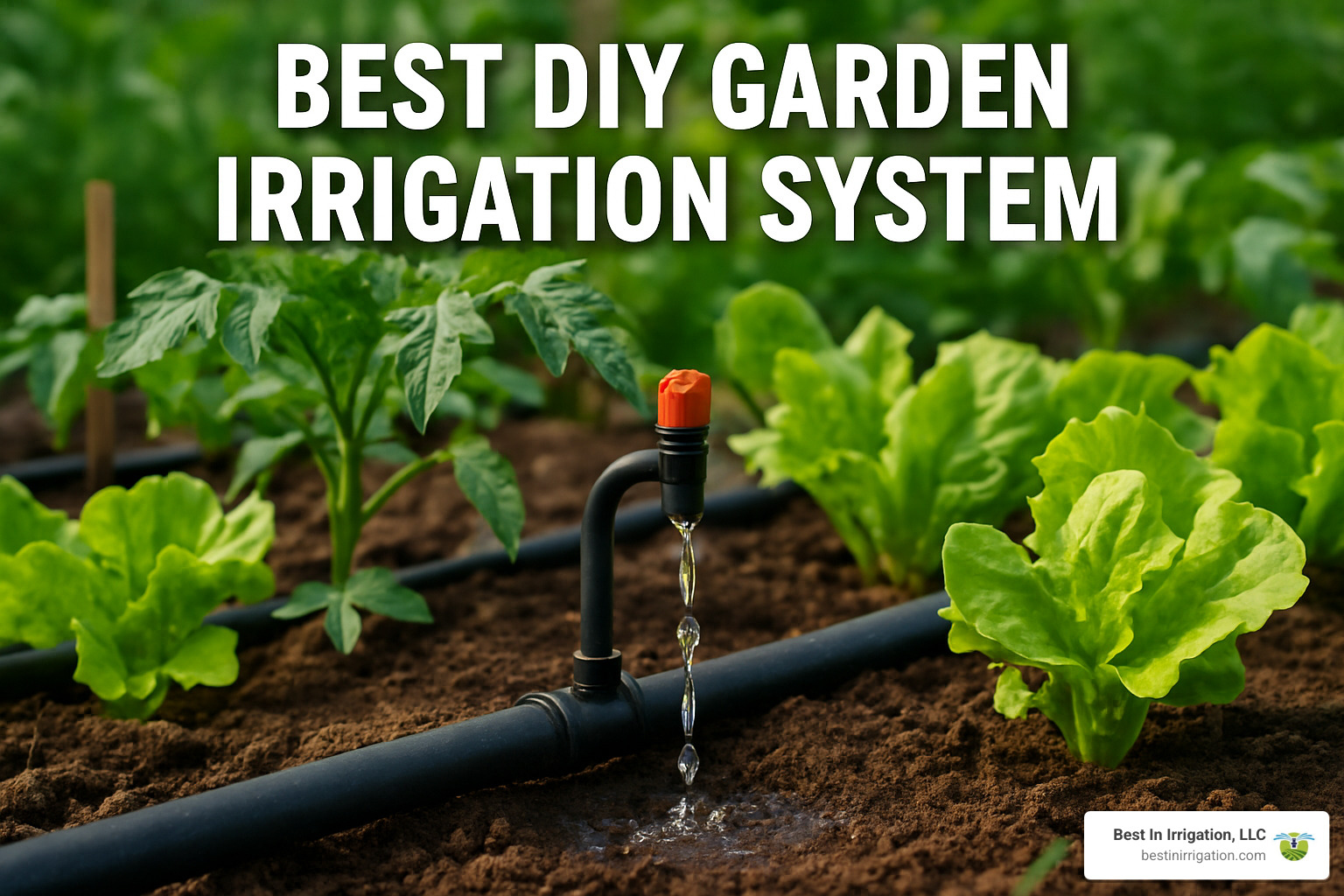
Once your best diy garden irrigation system is running, automation takes it from good to great. Think of it as giving your garden a reliable caretaker who never forgets to water and never overdoes it.
Water timers are your first step toward freedom. These simple devices attach to your spigot and cost less than a nice dinner out, but they’ll save you from the daily “did I water today?” mental gymnastics. Set them for early morning watering – around 5 AM works perfectly in most climates. Your plants get a good drink before the sun gets serious, and you avoid the fungal problems that come with wet leaves sitting around all night.
Smart controllers feel like magic when you first use them. These WiFi-connected devices actually check the weather forecast and skip watering when rain is coming. One Massachusetts homeowner told us, “I used to panic about my garden when traveling for work. Now my system is smarter than I am about when to water.”
Soil moisture sensors take the guesswork out completely. Stick these probes about four inches deep near your thirstiest plants. When the soil gets too dry, your system kicks on automatically. When it’s still moist from yesterday’s rain, it waits. It’s like having a plant whisperer built into your irrigation system.
Seasonal scheduling keeps your garden happy year-round. Spring seedlings need gentle, frequent drinks like a nervous houseplant. Summer vegetables want deep, thorough soakings that encourage roots to grow down where it’s cooler. Fall crops often coast on less water as temperatures drop and morning dew returns. The key is adjusting your timer monthly, not just setting it once in May and hoping for the best.
Maintenance doesn’t have to be a chore if you stay ahead of it. Flushing your lines once a month takes five minutes and prevents most problems. Simply remove the end caps and let water run through for a few minutes to clear out any sediment. Check emitters while you’re at it – if one’s not dripping, a quick poke with a thin wire usually gets it flowing again.
Winterizing saves your investment if you live where it freezes. Drain all the water from your lines, pull your timer indoors, and consider using an air compressor to blow out any stubborn water hiding in low spots. We’ve seen too many spring mornings where gardeners find their tubing split like a burst pipe because ice expanded overnight.
For more comprehensive guidance on residential irrigation efficiency, check out our Efficient Irrigation Solutions.
Smart Upgrades for the Best DIY Garden Irrigation System
Bluetooth timers let you adjust watering from your kitchen table instead of trudging out to the spigot in your pajamas. Perfect for those “it’s going to be 95 degrees today” moments when you want to give everything an extra drink.
Weather integration feels like having a meteorologist dedicated to your tomatoes. These systems connect to local weather services and automatically adjust for rainfall, humidity, and temperature. During New England’s unpredictable spring weather, this feature alone can cut your water bill significantly.
Voice control through smart home systems adds that “living in the future” feeling. Tell your smart speaker to water the herb garden while you’re cooking, or set up routines that water different zones on different schedules without touching a single button.
Common Problems in the Best DIY Garden Irrigation System
Uneven flow frustrates new system owners more than anything else. Usually, it means your pressure regulator isn’t doing its job, or you’ve run tubing too far from the main line. Keep individual runs of quarter-inch tubing under 30 feet, and everything should flow evenly.
Algae buildup turns clear tubing into green slime highways that block water flow. The fix is simple: switch to black tubing that blocks light, or bury your existing lines under a few inches of mulch. Algae needs light to grow, so eliminate the light and solve the problem.
Emitter clogs happen to everyone eventually. Prevention beats treatment – install a good filter at your spigot and flush your lines monthly. When clogs do happen, pull the emitter, soak it in white vinegar overnight, then clear the hole with a thin wire or needle.
Quick fixes save the day when problems pop up. Leaky connections usually just need fresh plumber’s tape and a firm twist. Low pressure often means kinked tubing hiding under mulch somewhere. Dry spots call for additional emitters, while soggy areas need fewer or lower-flow emitters.
Frequently Asked Questions about the Best DIY Garden Irrigation System
When we talk with homeowners about installing their first irrigation system, the same questions come up again and again. These are the real-world concerns that keep gardeners up at night – and honestly, they’re all completely valid worries that deserve straight answers.
How long and how often should I run my system?
Here’s the truth that might surprise you: there’s no one-size-fits-all answer, but there’s a simple framework that works for almost every garden. Most plants need about 1 inch of water per week, including whatever Mother Nature provides through rainfall.
For a typical best diy garden irrigation system using 1 GPH drip emitters, this usually translates to running your system for 15-45 minutes, 2-3 times per week. But here’s where it gets interesting – your soil type completely changes this equation.
Sandy soil acts like a sieve – water drains through quickly, so your plants prefer shorter, more frequent drinks. Think 15-20 minutes every other day rather than one long session. Clay soil holds onto water like a sponge, so longer, less frequent watering works better. Try 30-45 minutes twice a week to give water time to penetrate without running off.
Start conservative and watch your plants tell you what they need. Wilting despite regular watering? Increase your run times. Constantly soggy soil or yellowing leaves? You’re probably overdoing it. Keep a simple rain gauge in your garden – it’s amazing how often we forget about that surprise afternoon shower.
Do I need a pressure regulator and backflow preventer?
Absolutely yes on both counts – and here’s why these aren’t just “nice to have” accessories but essential components that can save you major headaches.
Your household water pressure runs between 40-80 PSI, which is perfect for your kitchen sink but way too aggressive for delicate irrigation emitters designed for 15-25 PSI. Without a pressure regulator, those carefully placed drip emitters will either blow right out of your tubing or spray wildly instead of delivering that gentle, consistent moisture your plants crave.
Backflow preventers protect your family’s drinking water – and in many areas, they’re required by law for good reason. They stop potentially contaminated irrigation water from flowing backward into your home’s plumbing system. Even if your local codes don’t mandate them, they’re inexpensive insurance against a serious health hazard.
Install these components in the right order for optimal performance: start with your timer at the spigot, then add your filter, pressure regulator, backflow preventer, and finally connect your irrigation lines. This sequence ensures everything works together smoothly and keeps you compliant with most local regulations.
What’s the easiest way to winterize the tubing?
Draining your system thoroughly is absolutely critical if you live anywhere that freezes. Water expansion in frozen tubing can crack components and leave you with a expensive mess come spring.
Start by disconnecting your entire system from the water source and let gravity do most of the work. Walk along your tubing lines and lift sections to encourage water to flow toward the lowest points and drain out completely.
Pull those timers and electronic components indoors for winter storage. Even “weatherproof” housings can’t always protect batteries and circuits from sustained freezing temperatures. Your garage or basement is much kinder to these components than a Massachusetts winter.
For longer tubing runs that seem to hold water, a simple air compressor can blow out stubborn moisture. Keep the pressure gentle – under 30 PSI – to avoid damaging your carefully installed system. In milder climates, thorough draining might be sufficient, but it’s always better to be safe than sorry.
Conclusion
What started as weekend watering chores has now become a hands-off system that keeps your garden thriving while you focus on the fun parts of gardening – like harvesting those perfect tomatoes or watching your flowers bloom.
The change is remarkable. Your best diy garden irrigation system delivers consistent moisture exactly where plants need it most, while cutting your water bill and freeing up precious weekend time. Those 50% water savings add up quickly, especially during hot summer months when hand-watering becomes a daily marathon.
Your plants notice the difference immediately. Root-level watering encourages deeper, stronger root systems that better withstand drought stress. No more wilted leaves from inconsistent watering or fungal problems from wet foliage – just healthy, vigorous growth that makes your neighbors wonder about your gardening secrets.
The beauty lies in starting simple. That basic soaker hose and timer combination you installed last weekend already puts you ahead of most gardeners still dragging hoses around every evening. As seasons pass, you’ll naturally spot opportunities to add smart controllers, expand to new garden beds, or experiment with those clever bottle dripper systems for your containers.
Every successful irrigation system grows organically. This year’s simple drip lines become next year’s multi-zone automated network. The confidence you gain from seeing your first DIY system work perfectly gives you the knowledge to tackle more ambitious projects or help fellow gardeners solve their watering challenges.
At Best In Irrigation, LLC, we’ve watched Massachusetts gardeners transform their properties over our 9 years in business. While DIY systems handle most residential garden needs beautifully, sometimes you want that extra peace of mind that comes with professional design – especially when expanding to larger areas or integrating with existing landscape features.
Ready to take your entire property to the next level? Our best lawn sprinkler systems complement your garden irrigation perfectly, creating a comprehensive watering solution that keeps everything green and gorgeous.
Your garden paradise practically waters itself now – and that’s exactly how it should be!
